
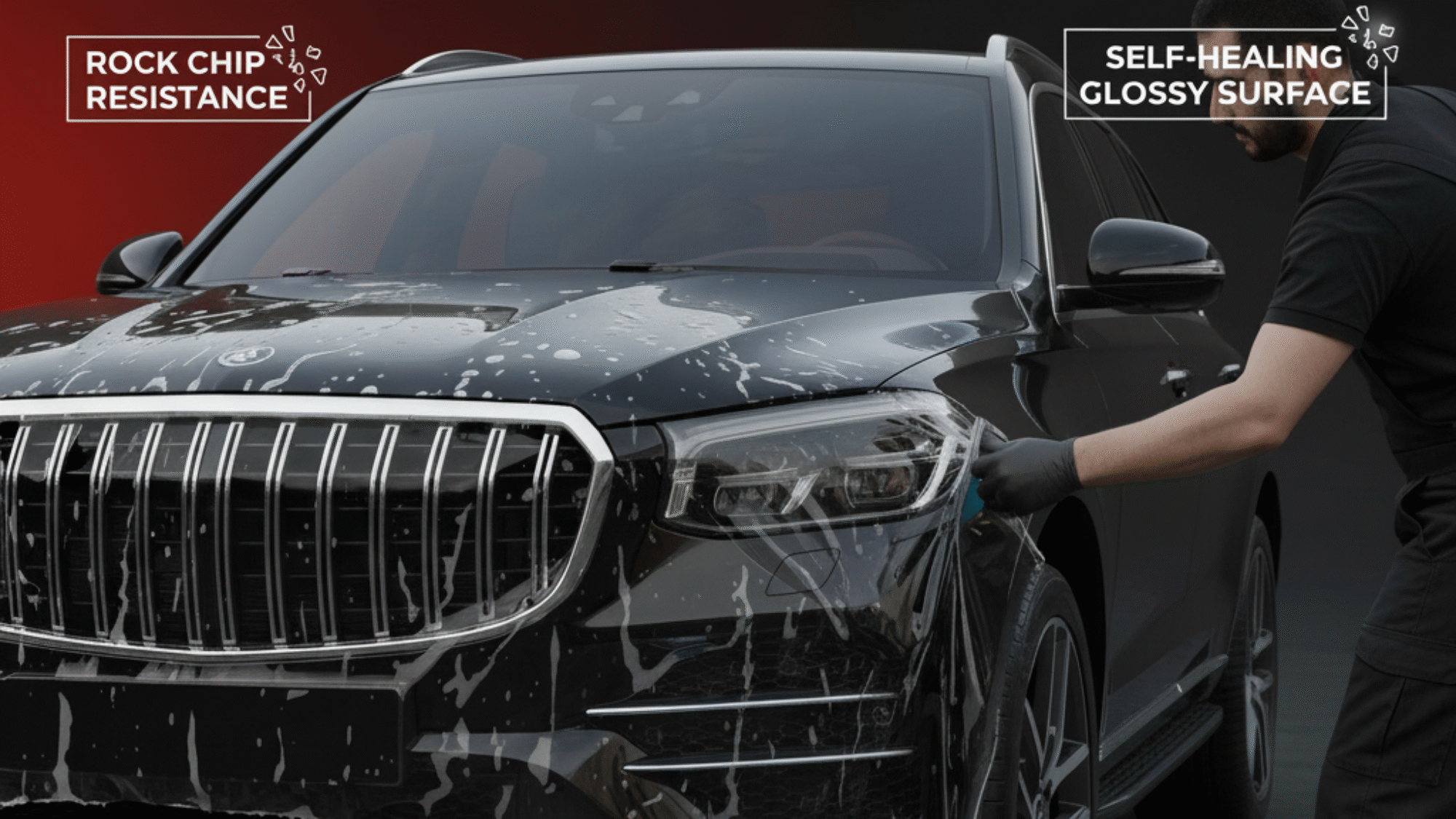
Paint Protection Film (PPF) is no longer a luxury — it’s a necessity for car owners in cities like Pune and Goa. With harsh sun exposure, highway driving, coastal humidity, and unpredictable road conditions, your car’s paint needs advanced protection.
But what actually happens during a professional PPF installation?
Here’s a complete step-by-step breakdown of how leading studios in Pune and Goa install PPF with precision and perfection.
Step 1: Initial Vehicle Inspection & Consultation
Every professional PPF installation begins with a detailed inspection.
Experts check:
- Existing scratches and swirl marks
- Paint condition and thickness
- Repainted panels (if any)
- Customer requirements (Full body or Partial PPF)
In Pune, highway debris and construction dust are common concerns. In Goa, salt air and moisture exposure are key factors. Based on this, the right PPF thickness and coverage plan is recommended.
Step 2: Deep Cleaning & Surface Decontamination
Before applying PPF, the surface must be perfectly clean.
This process includes:
- Snow foam wash
- Iron contamination removal
- Clay bar treatment
- Panel wipe with alcohol-based solution
Even microscopic dust particles can cause bubbles under the film. That’s why studios in Goa take extra care due to coastal moisture, while Pune studios focus on removing industrial fallout.
Step 3: Paint Correction (If Required)
PPF locks whatever is underneath it. So if swirl marks or scratches exist, they must be corrected first.
This involves:
- Machine polishing
- Minor scratch removal
- Gloss enhancement
High-end detailing studios in Pune and Goa ensure 90–95% defect removal before film application for a flawless finish.
Step 4: Precision Film Cutting (Plotter-Based Technology)
Professional studios use computer-cut plotter machines instead of manual cutting on the car.
Benefits:
- No blade marks on paint
- Perfect edge fitting
- Model-specific templates
- Clean finishing around badges and curves

Add a Comment
You must be logged in to post a comment